
Finding the right orthodontist starts with understanding what sets these specialists apart. An orthodontist completes dental school plus 2-3 additional years of specialized training focused solely on straightening teeth and correcting jaw alignment. This extra education matters when you’re trusting someone with your smile.
General dentists handle cleanings, fillings, and overall oral health. Orthodontists take it further. They diagnose bite problems, plan tooth movement, and manage complex cases that require precise adjustments over time. A local orthodontist offers something mail-order options can’t: hands-on exams, real-time adjustments, and a relationship built on seeing your progress firsthand.
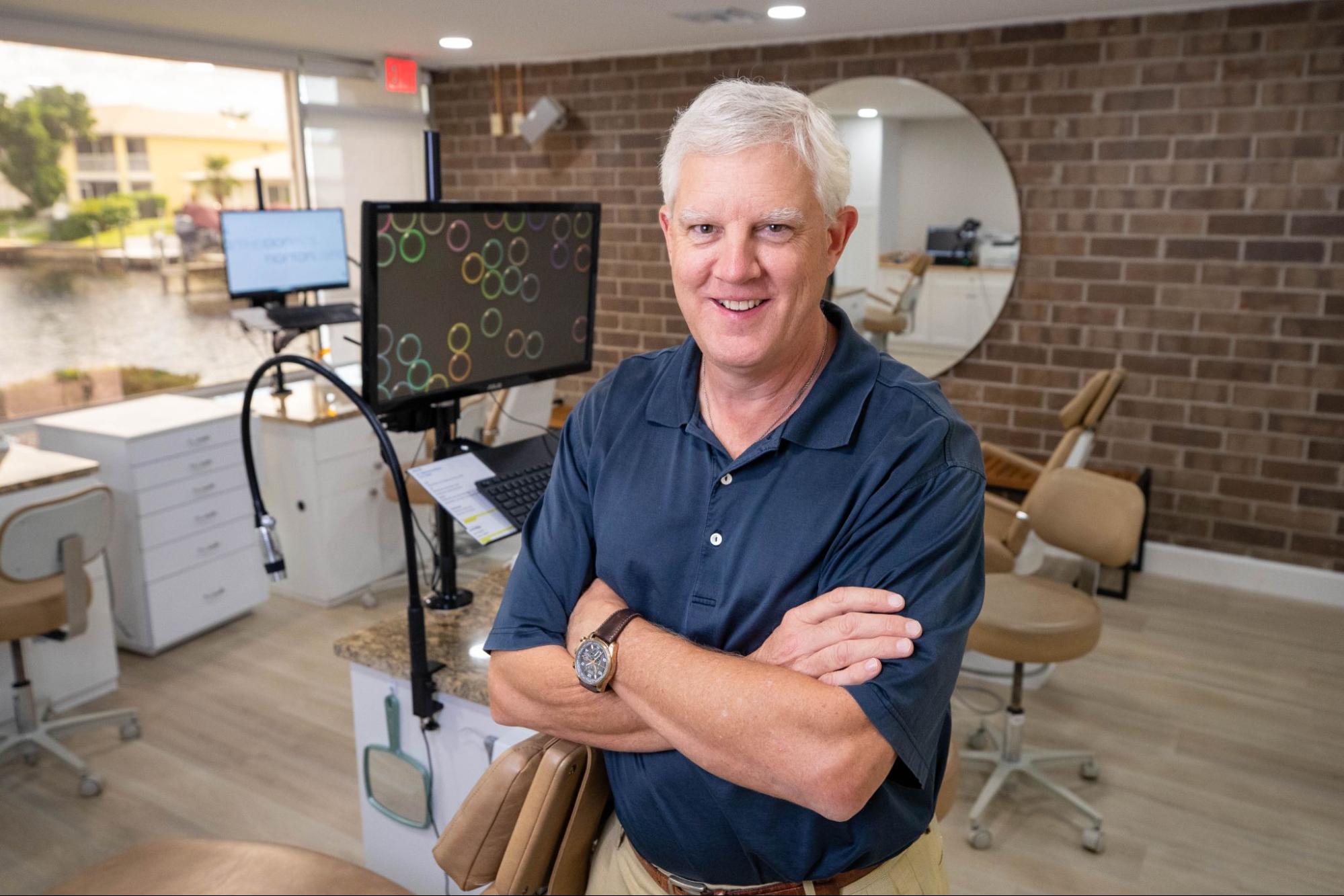
At Norton Orthodontics, Dr. Norton brings deep specialized education and training to every treatment plan. That expertise shows up in the details, from the initial digital scans to the final retainer fitting.
What Is a Local Orthodontist?
How does specialty training differ from general dentistry?
A local orthodontist is a dental specialist who has completed extra years of training beyond dental school, focused entirely on tooth movement, jaw alignment, and bite correction. While a general dentist may offer some limited orthodontic services, only an orthodontist has the residency-level training to manage the full range of cases, from simple spacing to complex bite issues.
Why does proximity matter?
A nearby provider means you can drop in for a quick adjustment, get help with a poking wire, or check on progress without rearranging your week. For families in Bonita Springs and surrounding areas, that convenience makes a long-term treatment plan far more workable.
How Orthodontic Treatment Works
Orthodontic treatment works by applying gentle, continuous pressure to move teeth into proper alignment over 6-24 months. Your provider designs a treatment plan using digital scans and X-rays, selects an appliance (braces or clear aligners), and schedules regular visits to track progress. After active treatment, retainers hold teeth in their new positions for lasting results.
What happens at the first visit?
Your treatment kicks off with a free consult. During this visit, Dr. Norton and the team take digital photos, X-rays, and 3D scans of your teeth. No goopy, gaggy impressions here. These images help create a customized treatment plan mapped to your bite, tooth positions, and the specific corrections needed.
What does active treatment look like?
Once you’re ready to start, your chosen appliance goes to work. Braces use brackets and wires to apply gentle pressure. Clear aligners use a series of removable trays. Both methods shift teeth gradually into better positions.
Expect visits every 4-8 weeks for adjustments or new aligner trays. These check-ins let Dr. Norton track your progress and make tweaks as needed. Most treatment plans run 6-24 months, depending on your case.
What about after treatment?
After active treatment wraps up, retainers keep your teeth in their new spots. Wearing them as directed protects your investment and keeps that smile looking great for years.
Benefits of Choosing a Local Orthodontist in Bonita Springs
A local orthodontist gives you faster access to adjustments, in-person monitoring, and a provider who knows your case from start to finish. For Bonita Springs families balancing school, work, and activities, that local relationship turns a long treatment plan into a manageable part of daily life.
How does local access help day to day?
Picking a nearby orthodontist makes your life easier in practical ways:
- Adjustments stay close to home: Regular visits fit into your schedule without long drives
- Emergency care when you need it: Broken bracket? Poking wire? You can get seen fast
- Steady, in-person monitoring: Hands-on exams catch small issues before they grow into big ones
- Familiar faces every visit: Dr. Norton and the team remember your history, preferences, and goals
- A reputation you can check: Ask neighbors, read local reviews, and see real results from your community
Why does the relationship matter?
Treatment often spans a year or more. Having a local team you trust makes that time feel manageable. You’re not just another case number. You’re a person with a story, and your smile tells part of it.
Local Orthodontist vs. Mail-Order Aligners vs. General Dentist
How do the three options compare?
| Factor | Local Orthodontist | Mail-Order Aligners | General Dentist |
|---|---|---|---|
| Training | 2-3 years beyond dental school | No in-person provider | General dental degree |
| Exams | In-person, hands-on | At-home impressions only | In-person |
| Case Range | Mild to complex | Mild cases only | Limited orthodontic cases |
| Monitoring | Regular adjustment visits | Remote check-ins via photos | Varies by practice |
| Bite Correction | Full jaw and bite treatment | Not recommended | Limited capability |
Dr. Norton completed 2-3 years of accredited orthodontic residency beyond dental school, qualifying as a specialist. For Bonita Springs patients, that specialist-level training is the key difference between a quick fix and a treatment plan built on a full clinical picture.
Are mail-order aligners safe?
Mail-order aligners work for some mild crowding cases. But they skip the in-person exam. Without X-rays and a clinical evaluation, underlying issues like root concerns or bone loss can go unnoticed. The American Association of Orthodontists generally recommends in-person evaluation by a trained specialist as the preferred path for tooth movement.
Can a general dentist do orthodontics?
General dentists offer convenience since you already see them for cleanings. Their orthodontic training is limited compared to a specialist, though. Complex cases involving bite issues, jaw alignment, or significant crowding need an orthodontist’s expertise.
What Affects the Cost of Orthodontic Treatment?
Orthodontic treatment cost depends on five main factors: appliance type, treatment length, case complexity, patient age, and what’s included in the fee. Understanding each one helps you compare quotes and know what you’re actually paying for.
Which factors shape your total investment?
- Appliance type: Metal braces, clear braces, and clear aligners each have different price points
- Treatment length: Longer cases require more visits and materials
- Case complexity: Significant bite correction takes more time than mild crowding
- Age: Kids and teens may need growth modification, which adds steps
- What’s included: Some offices bundle retainers, follow-ups, and emergency visits into one fee
Does insurance help?
Insurance often covers a portion of orthodontic treatment. Norton Orthodontics also offers flexible payments to make your smile transformation easier to plan for month to month. During your free consult, the team walks through the numbers clearly so nothing about the cost is a surprise.
Who Is a Good Candidate for Orthodontic Treatment?
Who can benefit from treatment?
Orthodontic treatment works for kids, teens, and adults. Smiles span lifetimes, and it’s never too late to improve yours. Patients across Bonita Springs of every age have started treatment and found the experience easier than expected.
Common issues we treat:
- Crowded or overlapping teeth
- Gaps and spacing
- Overbite, underbite, or crossbite
- Teeth that don’t meet properly when you bite down
What you need before starting:
- Healthy teeth and gums (cavities and gum disease should be treated first)
- Commitment to oral hygiene during treatment
- Willingness to wear your appliance as directed
When should kids be evaluated?
Dr. Norton and the American Association of Orthodontists recommend kids have their first orthodontic check-up by age seven. That’s when permanent teeth start coming in and potential issues become visible. Early evaluation doesn’t always mean early treatment. It gives your orthodontist a chance to watch growth and step in at the right time.
Frequently Asked Questions
How do I find a qualified orthodontist near me?
Look for a provider with specialized orthodontic training beyond dental school. Check their credentials, read patient reviews, and ask about their experience with your specific concerns. For Bonita Springs families, a free consult lets you meet the team and tour the office before committing to a plan. Bring a list of questions, and pay attention to how the staff explains options and answers your concerns.
What should I expect at my first consultation?
Your first visit includes a thorough exam, digital scans, and a discussion of your goals. Dr. Norton reviews your options, explains the treatment timeline, and answers your questions. You’ll leave with a clear picture of what your smile transformation looks like and a written plan you can take home to consider.
How long does orthodontic treatment take?
Most cases run 6-24 months. Simple spacing issues resolve faster. Complex bite corrections take longer. Your treatment plan includes a realistic timeline based on your specific needs, and Dr. Norton reviews it with you so there are no surprises along the way.
Are clear aligners as effective as braces?
For many cases, yes. Clear aligners handle crowding, spacing, and mild bite issues well. Complex jaw corrections or severe misalignment may work better with braces. Dr. Norton reviews your scans with you and recommends the option that best matches your bite, lifestyle, and goals.
Does insurance cover orthodontic treatment?
Many dental insurance plans include orthodontic benefits, especially for patients under 18. Coverage varies by plan. The Norton Orthodontics team helps verify your benefits and explains your out-of-pocket costs during your free consult.
What is the right age to see an orthodontist?
Age seven is the recommended time for a first evaluation. Teens and adults benefit from treatment too. There’s no upper age limit. If you want a better smile, you’re a good candidate for a consultation.
Curious about your options? Norton Orthodontics welcomes patients and families looking to learn more about orthodontic care. Dr. Norton brings years of experience to every patient he sees. Schedule a free consult to talk through your questions and see what your smile could look like.