
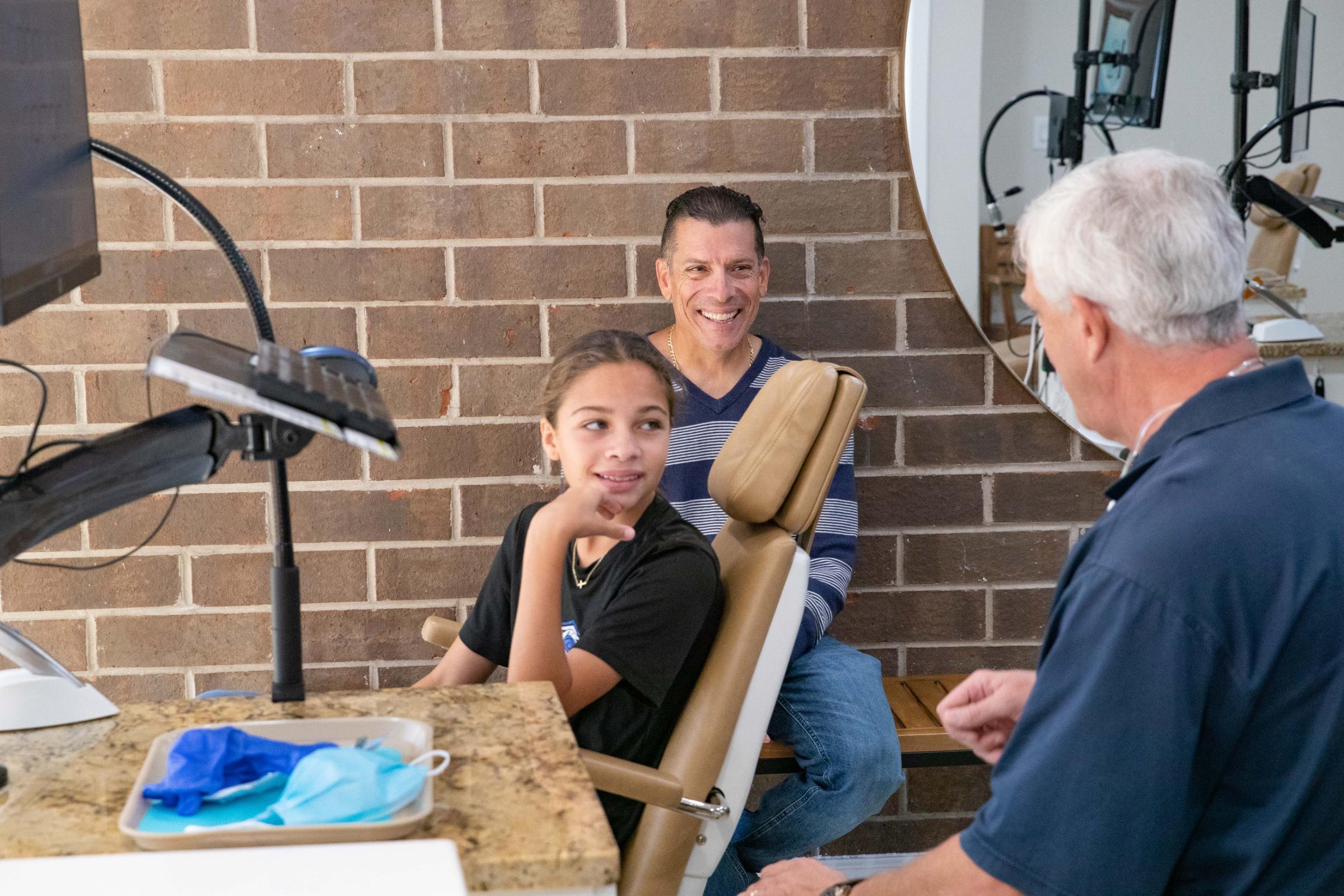
Thinking about braces or clear aligners? A free orthodontic consultation is your no-cost, no-obligation first step. It’s a diagnostic visit where an orthodontist reviews your smile, takes a few images, and explains your options. Nothing is bonded, tightened, or placed on your teeth that day.
Most visits run 30 to 60 minutes. You’ll leave with a clear picture of what’s happening with your bite, what treatments could help, and what the process looks like from here. Here’s everything you can expect, from paperwork to next steps.
Is an Orthodontic Consultation Really Free?
Yes. At most orthodontic practices, the first consultation costs nothing. That includes the exam, digital imaging, and a personalized treatment plan discussion.
Here’s what’s typically included in a free consult:
- A visual exam of your teeth, gums, bite, and jaw
- Digital photos and scans of your smile
- A panoramic X-ray (when needed)
- A written treatment recommendation
- A clear explanation of your next steps
Some practices do charge for the initial visit, so it pays to ask. If you’re calling around, ask two quick questions: Is the consultation free? Are X-rays and records included?
A free consultation isn’t a sales pitch in disguise. You’re never obligated to start treatment. The goal of a first visit is education, not enrollment.
Step-by-Step: What Happens During Your Free Consultation
Every office runs a little differently, but the flow is usually the same. Here’s what to expect, in order.
- Check-in and paperwork. You’ll fill out a short medical and dental history. Many offices let you complete this online beforehand to save time.
- Meet the team. A treatment coordinator or orthodontic assistant greets you and walks you back. They’ll explain how the visit works and answer early questions.
- Digital imaging. The team captures photos of your smile and profile. A handheld scanner builds a 3D model of your teeth in a few minutes. If needed, a panoramic X-ray is taken.
- Physical exam. The orthodontist checks how your teeth fit together, looks at your gums, and evaluates jaw movement and facial balance.
- Treatment discussion. You’ll sit down and go over what was found. The orthodontist walks you through the images, explains any concerns, and outlines the recommended treatment plan.
At the end, you’ll get a summary of your options and timing. You go home to think it over. No pressure, no commitment.
How Long Does a Free Orthodontic Consultation Take?
Plan for 30 to 60 minutes. Here’s a rough breakdown:
- Paperwork and check-in: 10 to 15 minutes
- Digital imaging and photos: 15 to 20 minutes
- Physical exam: 10 to 15 minutes
- Treatment discussion: 15 to 20 minutes
Complex cases take longer. So do visits with younger or nervous kids who need extra time to settle in. If you have a lot of questions, don’t book a slot you have to rush out of. The conversation at the end is where the real value is.
X-Rays, 3D Scans, and Imaging: What to Expect
Orthodontic imaging is different from what you get at a regular dental cleaning. Your dentist takes small bitewing X-rays to look for cavities. An orthodontist needs the full picture, including teeth that haven’t come in yet.
Panoramic X-ray. One rotating image captures every tooth in the mouth, plus any still forming in the bone. It takes about 20 seconds. This shows root position, unerupted teeth, missing tooth buds, and jaw structure.
Cephalometric X-ray. A side-view image used when the orthodontist needs to measure how the upper and lower jaws relate to each other. Not always needed at a first visit.
3D digital scans. A small wand passes over your teeth and builds a precise 3D model on the screen. No goopy impressions, no putty trays, no gagging. It’s faster and far more accurate than the old-school method.
Digital photos. Close-ups of your smile and profile shots help track changes over time and support treatment planning.
As for safety, digital X-rays use significantly less radiation than older film systems, and a lead apron is placed over your torso for extra protection. The dose from a panoramic X-ray is very low, comparable to a few days of ordinary background radiation.
What to Bring to Your Consultation
A little prep makes the visit smoother. Bring these items:
- Photo ID
- Dental insurance card (even if the consult is free, the team can verify your orthodontic benefits)
- Any recent X-rays from your dentist, ideally within the past 6 to 12 months
- A list of current medications and relevant dental history
- A written list of questions and your smile goals
- A method of payment, in case the practice charges for the first visit
Writing down your goals matters. Are you focused on straightening front teeth for photos? Fixing a bite issue that causes jaw discomfort? Preparing for a wedding in 18 months? The clearer you are, the better the orthodontist can tailor the recommendation.
Key Questions to Ask Your Orthodontist
This is your chance to get real answers. Come prepared with questions in these four areas.
About your treatment:
- What exactly did you find?
- What treatment do you recommend, and why?
- How long will treatment take?
- What will my smile look like when we’re done?
- What happens if we wait a year?
About insurance and payment:
- Does my insurance cover any of it?
- What payment options do you offer?
- Can I use HSA or FSA funds?
About the process:
- How often will I need visits?
- Are there dietary restrictions?
- What do I do if something breaks?
- Who will I see at each visit?
About the practice:
- How long have you been practicing?
- Do you welcome second opinions?
- What technology do you use?
A good orthodontist welcomes every question. If answers feel rushed or vague, that’s worth noting.
Understanding Your Treatment Options
Patients today have more choices than ever. The orthodontist will recommend based on case complexity, lifestyle, and personal preference. Common options include:
- Metal braces. The classic way to straighten smiles. Reliable and effective for the full range of alignment needs.
- Clear braces. Same mechanics as metal, but with tooth-colored brackets that blend in.
- Clear aligners. Removable, nearly invisible trays like Invisalign. Popular with adults and teens who want a low-profile option.
- Early intervention appliances. Expanders and other tools used for younger kids whose jaws are still growing.
Each option has trade-offs in visibility, treatment time, and daily habits. If you want a closer look at the choices, our guide to the best type of braces for adults breaks each one down.
Insurance and Payment: What to Expect
Every plan is different, so the team will walk through the insurance and payment side with you during the visit. Expect them to:
- Verify your dental insurance benefits
- Walk you through what’s covered and what isn’t
- Explain the payment options they offer
- Discuss HSA and FSA eligibility
- Put everything in writing before you leave
You should never have to guess. If something isn’t clear, ask the team to explain it before you leave.
What Happens After the Consultation
Here’s a common myth to clear up: braces do not go on the same day as your consultation. Ever. And that’s a good thing.
Before treatment starts, the orthodontist reviews your records in detail and maps out a customized plan. If appliances like aligners or expanders are needed, they have to be fabricated. That takes time.
The typical timeline looks like this:
- Consultation and imaging
- Records review and treatment planning (behind the scenes)
- Written treatment plan and summary sent to you
- Appliance fabrication if needed (1 to 3 weeks)
- Bonding or fitting visit, where treatment officially kicks off
Most patients start treatment 1 to 4 weeks after the consult. In the meantime, take time to think, ask follow-up questions, and get a second opinion if you want one. Second opinions are welcomed and encouraged at any reputable practice.
Tips for Helping a Nervous Child (or Adult) Prepare
First visits can feel intimidating, especially for kids. A few simple strategies help.
- Tell your child ahead of time that nothing is done to their teeth on this visit
- Describe it as “measuring, not fixing”
- Let them know they can stay near you the whole time
- Book a mid-morning slot when energy is fresh and the office is quiet
- Call ahead if your child has sensory sensitivities so the team can plan accordingly
Adults get nervous too. That’s completely normal. A good office notices your comfort level and adjusts the pace. You should feel heard, not hurried.
Red Flags to Watch For at Any Consultation
Most orthodontic offices are excellent. But it’s smart to know the warning signs of a practice that isn’t right for you. For more on picking the right office, see our guide on how to choose an orthodontist.
- Pressure to sign up on the spot
- No written treatment plan before you leave
- Vague or dismissive answers to your questions
- Promises that sound too good to be true
- Discouragement of second opinions
Trust your instincts. A great consultation feels informative and unhurried. If it feels like a hard sell, keep looking.
Frequently Asked Questions
Are orthodontic consultations usually free?
Yes. Most orthodontic practices offer a complimentary first visit that includes an exam, imaging, and a treatment plan discussion. Always confirm when you call to schedule.
Do I need a referral from my dentist?
No. You can book directly with an orthodontist. A referral is helpful but not required.
Can I get braces the same day as my consultation?
No. The orthodontist needs time to review your records and plan treatment. Appliances often need to be fabricated. Most patients start treatment 1 to 4 weeks after the consult.
At what age should a child have their first orthodontic visit?
The American Association of Orthodontists recommends a first evaluation by age 7. Most kids don’t need treatment that early, but it’s the ideal age to spot issues while jaws are still growing.
What if I decide not to move forward with treatment?
There’s no obligation and no pressure. You can come back later when the timing is right.
Are the X-rays safe?
Yes. Digital orthodontic X-rays use very low doses of radiation, and a lead apron adds extra protection. Safe for both children and adults.
How long are consultation results valid?
For a growing child, roughly 6 to 12 months. Bites change, so records older than a year are usually repeated before treatment starts.
Ready to Schedule Your Free Consult?
A free consult is the easiest, no-pressure way to learn what’s possible for your smile. You get a professional evaluation, honest answers, and a clear plan, all at no cost.
At Norton Orthodontics, Dr. Norton and our team make the first visit welcoming and thorough. As an experienced orthodontist in Cape Coral, Dr. Norton will give you a customized treatment plan and a full understanding of your options. Your best smile starts here. Book your free consult online or give us a call to get started.
