

The honest answer is that it depends on the teen, not the technology. Clear aligners only move teeth while they are in the mouth. A teen who keeps them in for 20 to 22 hours a day gets the result on the timeline. A teen who leaves them in a locker does not. Everything else about aligners is genuinely good, but this is the question worth settling first.
Dr. Norton is a Platinum Invisalign provider, which reflects how many aligner cases a practice actually finishes rather than how many it starts. Part of that is knowing when to say no. If your teen is not ready for a removable appliance, he will tell you that at the consult instead of six months in. This guide covers what parents ask most, including the parts nobody enjoys discussing.
Will My Teen Actually Wear Them?
[YOUR DRAFT. This is the section that beats the SERP, because every competing page buries it. Scope: it depends on responsibility, not age. Roughly 13 or 14 is when most teens can manage it, but the honest variable is whether your teen already remembers their own retainer, their own inhaler, their own homework. Cover the real obstacles: forgetting to put them back in after lunch, self-consciousness about removing them in front of friends, sports and band. Be specific about what happens when wear time slips, which is that the trays stop tracking and the treatment stalls rather than fails. Then say the thing a salesperson would not: some teens should get ceramic braces precisely because they will not wear trays, and that is a better outcome than an aligner case that quietly goes nowhere. Close by linking keeping trays in during a school day and supporting your teen through treatment.]
How Compliance Gets Tracked
[YOUR DRAFT. Confirm the specifics with Dr. Norton before writing, since these are product features and I am not going to guess which ones your practice uses. Scope: compliance indicators, the small dots on teen aligners that fade with wear so you are not relying on your teen’s account of it. Eruption tabs, which leave room for molars and canines still coming in. Replacement trays when one gets lost, which happens. Whether you use any remote monitoring. This section is table stakes, Shine and Varble both have it and you do not.]
What Happens If It Goes Off Track
[YOUR DRAFT. Nobody on this SERP handles the failure path and that is why they all read like brochures. Scope: refinement trays, what they are, why they are planned for rather than a sign something went wrong, and roughly how common they are. What to do when a tray is lost, which is usually go back to the previous set and call, not skip forward. What happens if your teen falls weeks behind, and the fact that a new scan and a revised plan is a normal outcome rather than a disaster. Mention that Port Charlotte and Bonita Springs run Wednesday only, so plan around it.]
What Dr. Norton Looks For in a Teen Candidate
[YOUR DRAFT. Interview Dr. Norton and quote him directly. One or two paragraphs in his own words about what he actually assesses, what makes him recommend braces instead, and what he tells parents who are on the fence. This is the single edit that permanently separates this post from the four other practices publishing it, because it is the one thing a content vendor cannot generate. Everything else on this page can be copied. This cannot.]
Invisible Transformation
One of the most appealing aspects of clear aligners is their virtually invisible nature. This discreet approach allows your teen to have orthodontic treatment without drawing unwanted attention, so they can get on with school and everything around it. The smooth surfaces of clear aligners significantly reduce the risk of irritation to the cheeks and gums, ensuring a comfortable treatment experience.
The appearance point matters more at this age than it will later. Adolescence is a period where teens are acutely aware of how they look to their peers, and for some of them the difference between visible brackets and near-invisible trays is the difference between agreeing to treatment and refusing it outright. That is worth taking seriously rather than dismissing as vanity.
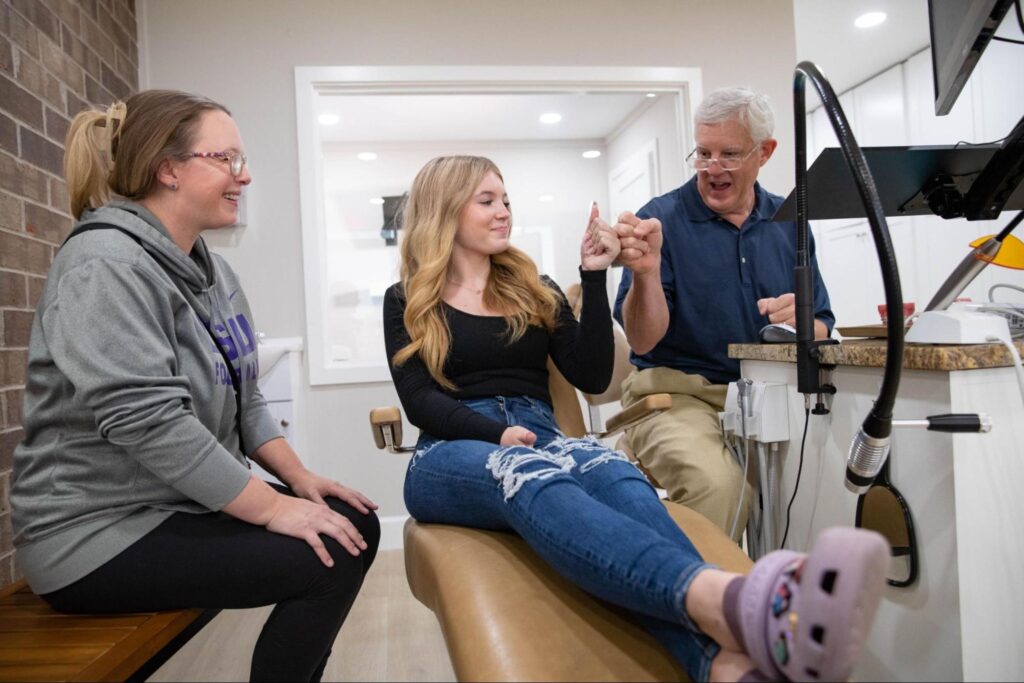
Flexibility for Optimal Oral Hygiene and Dietary Freedom
Clear aligners for teens offer unparalleled flexibility by being removable. This unique feature allows your teen to take them out for meals, flossing, and brushing, ensuring that their oral hygiene routine remains uncompromised throughout the treatment process.
Bid farewell to the dietary restrictions often associated with traditional braces, as your teen can simply remove the aligners before enjoying their favorite foods, then brush and replace them afterward. The catch is the one from the top of this page. Those 20 to 22 hours a day are not a suggestion, and every meal is time off the clock.
The removable nature of clear aligners also facilitates better oral hygiene practices. With traditional braces, food particles can easily become trapped in the brackets and wires, leading to a higher risk of tooth decay and gum disease. Clear aligners eliminate this concern by allowing your teen to brush and floss their teeth thoroughly, maintaining optimal oral health throughout the treatment.
Tailored Precision for Predictable Outcomes
Every smile is unique, and clear aligners are designed to cater to this individuality. Utilizing advanced 3D imaging technology, each set of aligners is custom-made to fit your teen’s specific dental structure with utmost precision. This customization ensures that the right amount of pressure is applied to gradually shift the teeth into their proper positions, resulting in a more predictable and successful treatment outcome. Dr. Norton can meticulously plan and visualize the entire treatment process, providing you and your teen with a clear roadmap towards a beautiful, aligned smile.
The precision of clear aligners for teens also translates to a more efficient treatment timeline. Traditional braces often require frequent adjustments and office visits, which can be time-consuming and disruptive to your teen’s busy schedule.
With clear aligners, the treatment plan is pre-determined, and your teen will receive a series of aligners to switch out at regular intervals, typically every two weeks. This streamlined approach minimizes the need for frequent appointments, allowing your teen to focus on their daily activities without excessive interruptions.
Comfort and Convenience
Clear aligners are crafted from a smooth, medical-grade plastic material that is gentle on the cheeks, gums, and lips. Unlike traditional braces, which can cause irritation and discomfort due to the presence of brackets and wires, clear aligners provide a more comfortable treatment experience. The absence of sharp edges and protruding components reduces the risk of cuts, sores, and other oral injuries commonly associated with metal braces.
Clear aligners offer convenience in terms of maintenance and care. Traditional braces require meticulous cleaning and special tools to navigate around the brackets and wires. Clear aligners, on the other hand, can be easily removed and cleaned with a soft-bristled toothbrush and lukewarm water. This simplicity in maintenance saves time and promotes better oral hygiene practices, reducing the risk of dental issues during the treatment process.

Choosing the Right Provider
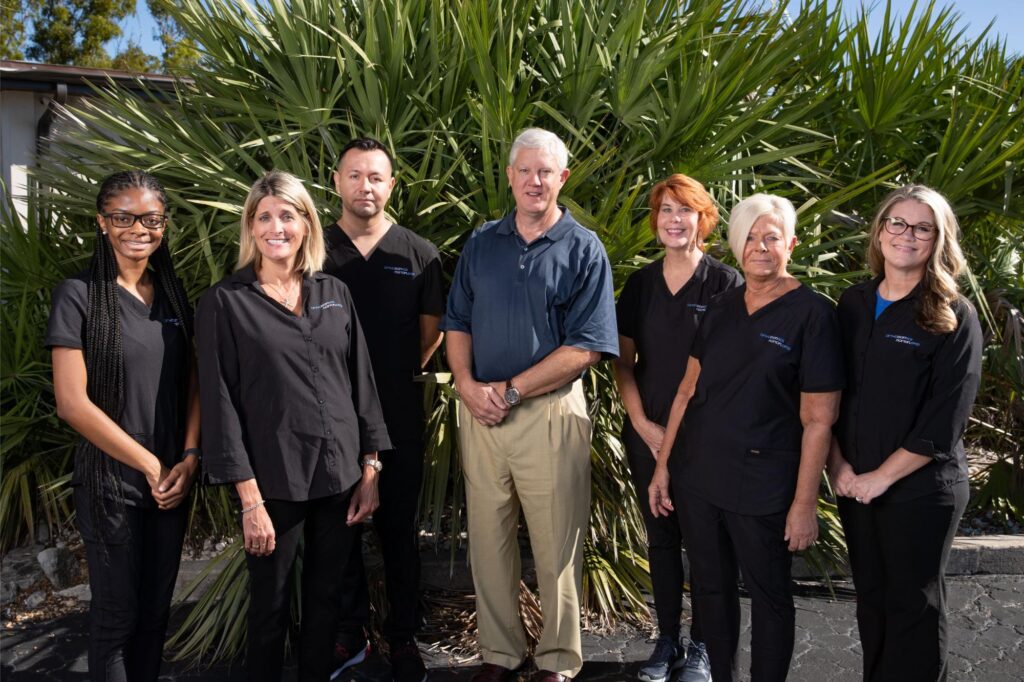
When considering clear aligners for teens, selecting an experienced provider matters more than the brand of tray. Dr. Norton is a Platinum Invisalign provider and also fits Solventum Clarity aligners, so the recommendation you get is based on your teen’s bite rather than on what the practice happens to stock. He treats patients at every age, which means he has seen how the same case plays out with braces and with trays.
During the initial consultation, Dr. Norton will conduct a comprehensive evaluation of your teen’s dental structure, discuss their desires and concerns, and develop a customized treatment plan. We believe in open communication and will take the time to address any questions or apprehensions you or your teen may have, ensuring that you feel confident and well-informed throughout the entire process.
Book a Free Consult and Get a Straight Answer
Bring your teen in and Dr. Norton will scan their teeth and tell you honestly whether trays are the right call for this case, at this age, with this kid. Book a free consult at Cape Coral, Port Charlotte or Bonita Springs. Port Charlotte and Bonita Springs are open Wednesdays, so plan around it. If the answer turns out to be braces, that is not a wasted visit. It is the visit that saved you a year.